写 Task 2
干净的水是权利,但「免费」未必是答案
公共政策 · 水资源 · Cambridge IELTS 20 · Test 1 Writing Task 2
题目
Write at least 250 words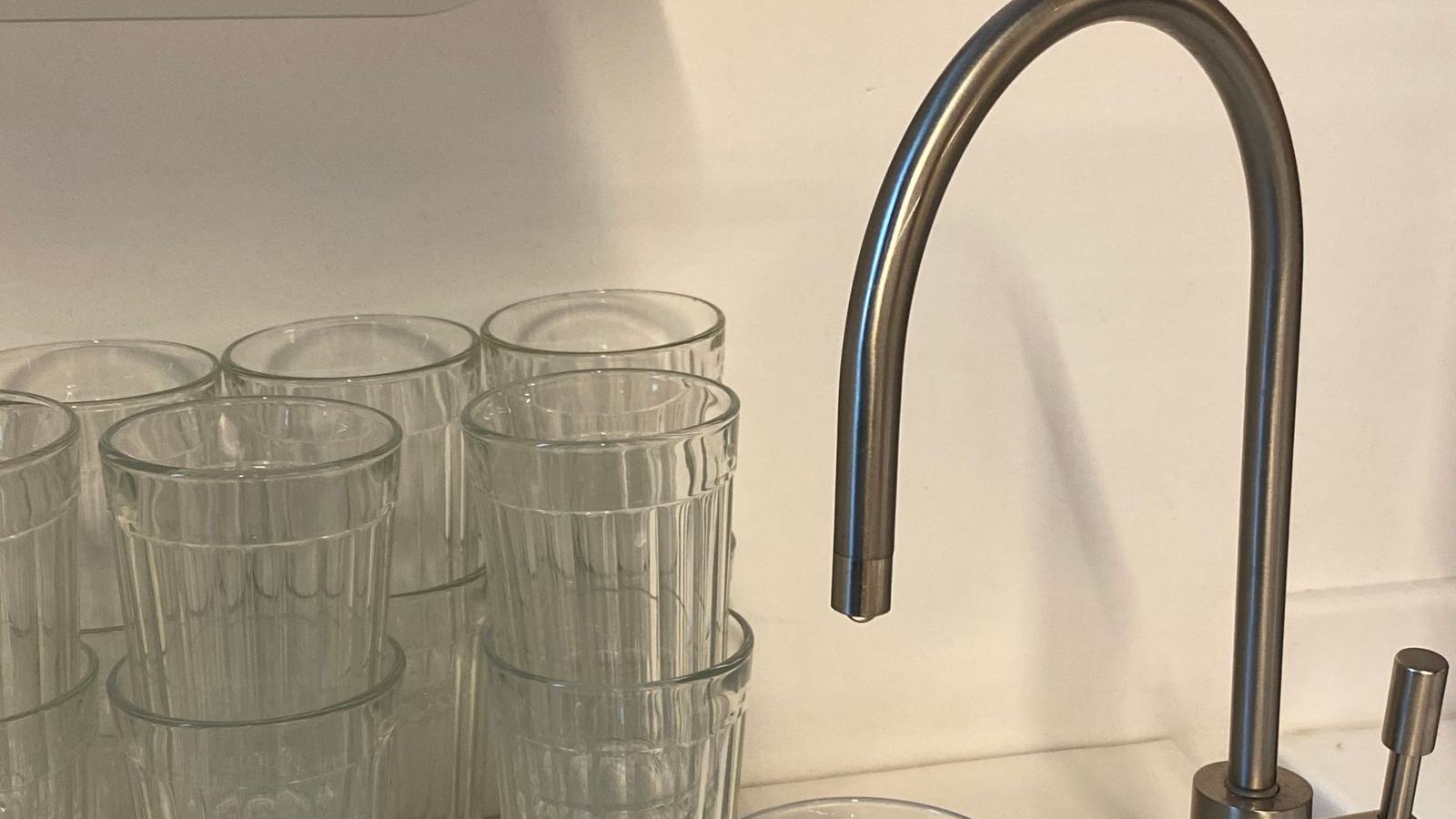
Access to clean water is a basic human right. Therefore every home should have a water supply that is provided free of charge. Do you agree or disagree?
你的作文
0 词 · 自动存在本机范文
320 词 · 估分 7.51 · IntroductionIt is difficult to argue with the first half of this statement: without clean water, no other right can be exercised for long. Whether that right obliges the state to deliver water to every household at no cost is a separate question, and on that point I disagree. A right of access is not the same thing as a product with a price of zero.
2 · Body 1 · 为什么「免费」站不住Water arrives at a tap only after it has been stored, treated, pumped and tested, and every one of those steps costs money. Someone has to replace the pipes, which in older cities leak a third of what they carry. If households pay nothing, the only source of that money is general taxation, and the price signal that discourages waste disappears. Unmetered, free supply tends to produce exactly what one would expect: longer showers, unattended leaks and households that never notice a burst pipe until the street floods. In other words, giving water away can reduce the amount available in a drought, which harms the very people the policy is meant to protect.
3 · Body 2 · 更可行的替代方案This does not mean the poor should be asked to choose between water and food. A better instrument is a lifeline tariff: a basic volume, say twenty-five litres per person per day, supplied free or almost free, with charges rising steeply for consumption above it. South Africa adopted precisely this model after 1994, and it delivers the human right in practice while keeping the utility solvent. Where metering is impractical, a means-tested credit on the bill achieves the same result. The cost then falls on those who can bear it rather than on the network as a whole.
4 · ConclusionI therefore agree that clean water is a right, but not that it must be free to every home regardless of income. Guaranteeing a free minimum, and charging for what lies above it, protects both public health and the infrastructure that makes the guarantee possible.
逐段拆解
每一段为什么这么写题目其实包含两个命题:① 干净水是基本人权;② 因此每个家庭都应免费获得。全盘同意或全盘反对都会让论证变浅。这里先接受 ①、否定 ②,并在最后一句点明区别(right of access ≠ zero price),立场从第一段就立住了。注意不要写成 "I partly agree" 这种模糊表态,要具体到「同意哪一半」。
这一段不空谈「水很重要」,而是列出成本链条:储存、处理、泵送、检测、换管。"leak a third of what they carry" 是发达国家管网的真实损耗水平,这种具体数字比任何形容词都有说服力。最后一句把逻辑推到底——免费反而可能在旱季减少可用水量,从而伤害政策本想保护的人,这是把论证推向反直觉的 7 分动作。
只反驳不给替代方案,Task Response 会停在 6。这里给出 lifeline tariff(生命线水价)+ 具体水量(每人每天 25 升)+ 真实案例(南非 1994 年后)。接着补一个 fallback(无法装表时用账单抵扣),显示考虑过现实条件。结尾一句把成本落到「付得起的人身上」,回扣公平。
好的结论不是重复开头,而是把两段的结论压成一句可执行的话:保底免费 + 超额收费。没有引入新论点,也没有喊口号。
可替换表达
直接背走- a right of access is not the same thing as a product with a price of zero「有权获得」不等于「零价格商品」——全文的核心区分句
- stored, treated, pumped and tested四步动词连用,替代 "water needs processing"
- leak a third of what they carry漏掉三分之一——描述管网损耗的道地说法
- the price signal that discourages waste disappears抑制浪费的价格信号消失(经济学常用表达)
- unmetered, free supply不装表的免费供水
- harm the very people the policy is meant to protect反而伤害政策本要保护的人(7 分句式)
- a lifeline tariff生命线水价:保底用量低价、超额递增
- keep the utility solvent让供水公司维持财务平衡(solvent = 有偿付能力)
- a means-tested credit on the bill按收入审查的账单抵扣
- guaranteeing a free minimum保障一个免费的最低量
常见扣分点
这些一眼就掉分- 只写「水是生命之源,所以必须免费」——把人权和定价混为一谈,TR 直接停在 5.5。
- 通篇 agree,不讨论「免费」在财政与工程上是否可行,等于没回应题目的因果推论(therefore)。
- 举「非洲很缺水」这类笼统例子,没有具体政策或数字,例证算无效。
- 把「免费」写成「政府出钱」,但没说明钱从哪来,逻辑链断在中间。
- 结尾只重复开头观点,没有把 body 的结论收成一句可执行的话。
- 字数刚过 250 但只有两个主体段,且第二段比第一段短一半——长度分布本身就是结构分。
四维评分
这篇值多少分,为什么| 维度 | 估分 | 说明 |
|---|---|---|
| Task Response | 7.5 | 两个命题都拆开了,立场一致,方案具体;若能再加一个反方让步(如「免费可减少偷水」)可到 8。 |
| Coherence & Cohesion | 8.0 | 四段各司其职,段内先因后果;连接词克制,靠指代(this does not mean / in other words)推进。 |
| Lexical Resource | 8.0 | lifeline tariff、means-tested、solvent 等术语准确;无生造搭配。 |
| Grammatical Range | 7.5 | 有 cleft 与条件句,但长句比例略高,个别句子可再拆短以增加节奏。 |